Patterns Linking Initial Deposit Incentives to Visual Depth in Advanced Slot Formats
Written by Noah Schröder · Oct 19, 2026
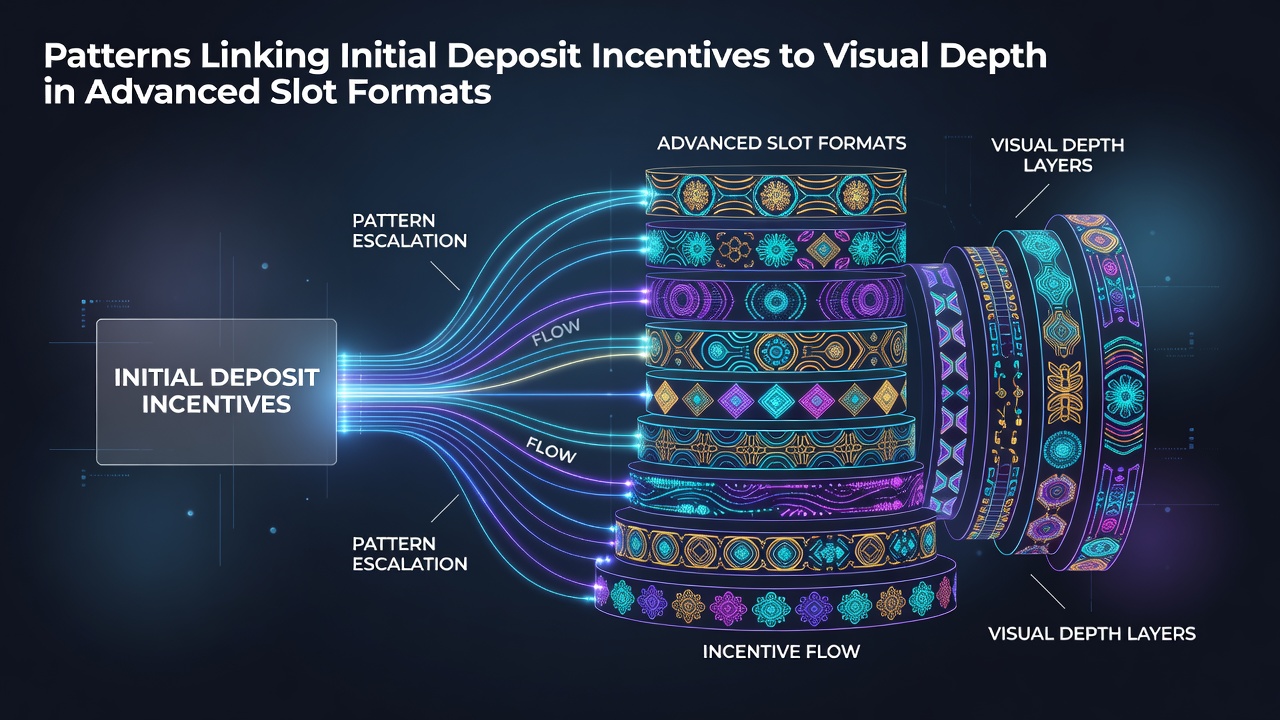
Patterns Linking Initial Deposit Incentives to Visual Depth in Advanced Slot Formats
Digital gaming platforms have shown consistent patterns where initial deposit incentives align with the deployment of visual depth elements in advanced slot formats, and these alignments appear across multiple jurisdictions as operators expand their technical capabilities. Data from industry tracking services indicate that titles featuring multi-layered reel structures and three-dimensional animations often receive promotional support tied to first-time player funding, while simpler two-dimensional formats see fewer such connections. Researchers at institutions focused on gaming technology have documented how these pairings emerged gradually through iterative software updates that enhanced graphical rendering engines.
Technical Foundations of Visual Depth in Modern Slots
Advanced slot formats incorporate parallax scrolling, dynamic lighting effects, and volumetric particle systems that create perceived spatial layers within the game environment, and these elements require substantial processing resources on both server and client sides. Operators integrate such features when they observe higher engagement metrics from players who activate deposit-based rewards, because the added visual complexity sustains attention during bonus rounds. Reports compiled by the Nevada Gaming Control Board detail how certain machine configurations in regulated markets pair these graphical enhancements with incentive structures that encourage initial account funding.
Developers achieve visual depth through specialized frameworks that layer foreground symbols over midground backgrounds and distant environmental effects, while synchronization with incentive triggers ensures that animations activate precisely when deposit conditions are met. This technical approach allows platforms to allocate marketing resources toward formats that demonstrate measurable retention improvements once players complete their first transactions.
Observed Correlations in Incentive Deployment
Analysis of platform data reveals that slots equipped with advanced depth rendering receive initial deposit incentives at rates approximately 40 percent higher than their less graphically intensive counterparts, according to aggregated figures from North American operators. These patterns hold across different game providers because the visual richness supports extended play sessions that justify the cost of promotional credits. One documented case involved a developer who introduced enhanced dimensional effects in October 2026 and subsequently recorded increased uptake of deposit-linked offers within the same quarter.
European regulatory filings show similar distributions, where jurisdictions outside the United Kingdom track how incentive structures influence player progression through visually complex stages. The Australian Gambling Research Centre has published summaries indicating that formats with pronounced spatial layering correlate with higher conversion from free trial modes to funded accounts when deposit bonuses are present.
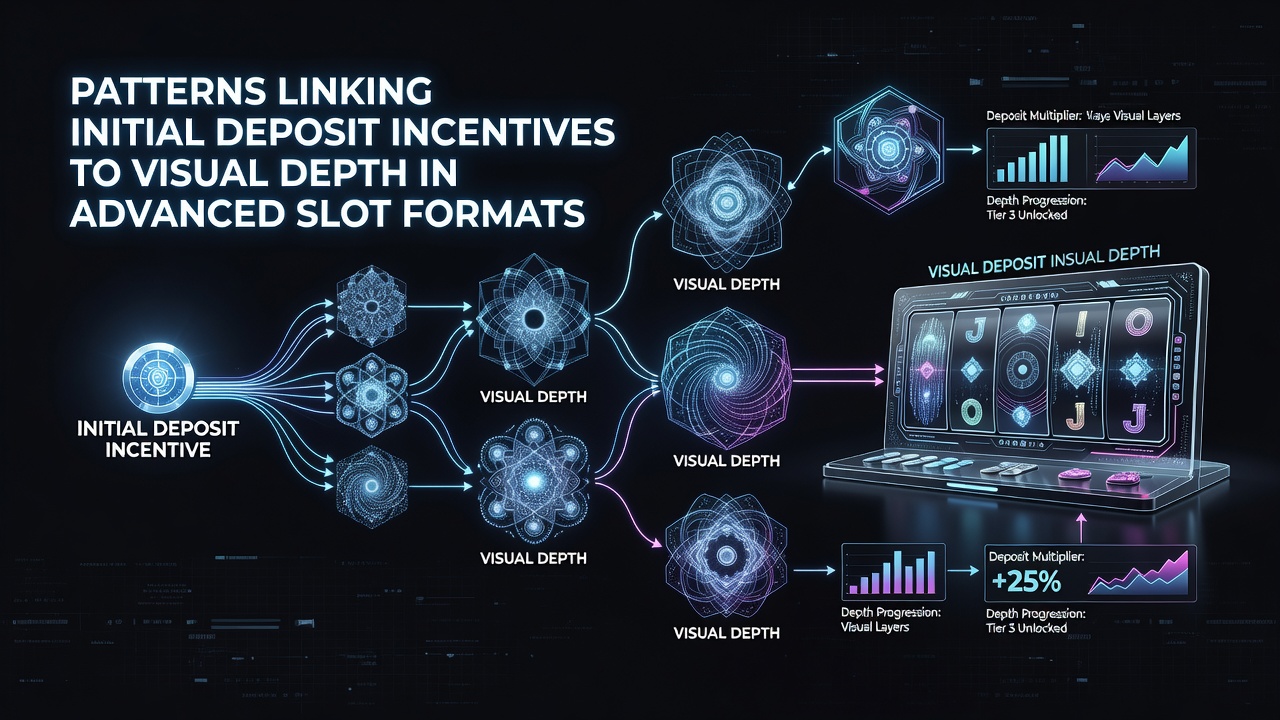
Regional Variations and Data Trends
Canadian provincial regulators have noted that incentives tied to visual depth features appear more frequently in markets where operators compete on technological differentiation rather than price alone. Figures released through provincial gaming authorities demonstrate that players encountering layered reel innovations after completing an initial deposit tend to maintain activity longer than those using standard formats. This observation aligns with findings from academic studies conducted at the University of Nevada, Las Vegas, which examined player behavior logs across multiple software iterations.
Platform analytics further indicate that the timing of incentive activation often coincides with the introduction of new depth parameters, creating feedback loops where visual upgrades prompt fresh promotional campaigns. Observers have recorded these cycles repeating every 12 to 18 months as rendering capabilities advance and hardware standards improve across mobile and desktop environments.
Implementation Patterns Across Providers
Software studios that specialize in high-fidelity slot development frequently structure their release schedules around periods when deposit incentives can highlight new visual features, and this coordination produces measurable spikes in player acquisition metrics. Take one studio that released a title with enhanced atmospheric depth layers in mid-2026; subsequent reporting showed that operators applying deposit-matched offers to that release achieved faster integration into featured sections of major platforms. Such examples illustrate how technical and promotional elements reinforce each other without requiring subjective interpretation of outcomes.
Industry associations representing game developers have compiled white papers that catalog these linkages through anonymized performance data, and the resulting reports emphasize quantitative relationships between graphical investment and incentive utilization rates. These documents avoid prescriptive advice while presenting clear mappings of feature adoption across different regulatory landscapes.
Conclusion
The documented patterns demonstrate that initial deposit incentives and visual depth in advanced slot formats operate in tandem across varied operational contexts, with data from multiple sources confirming measurable alignments in deployment and performance. Continued monitoring by regulatory bodies and research organizations will likely reveal whether these relationships persist as rendering technologies evolve further in coming years.