UK Budget Adjustments Raise Slot Machine Duties and Alter Business Rates Eligibility for Gaming Venues
Written by Noah Schröder · Nov 2, 2026
UK Budget Adjustments Raise Slot Machine Duties and Alter Business Rates Eligibility for Gaming Venues
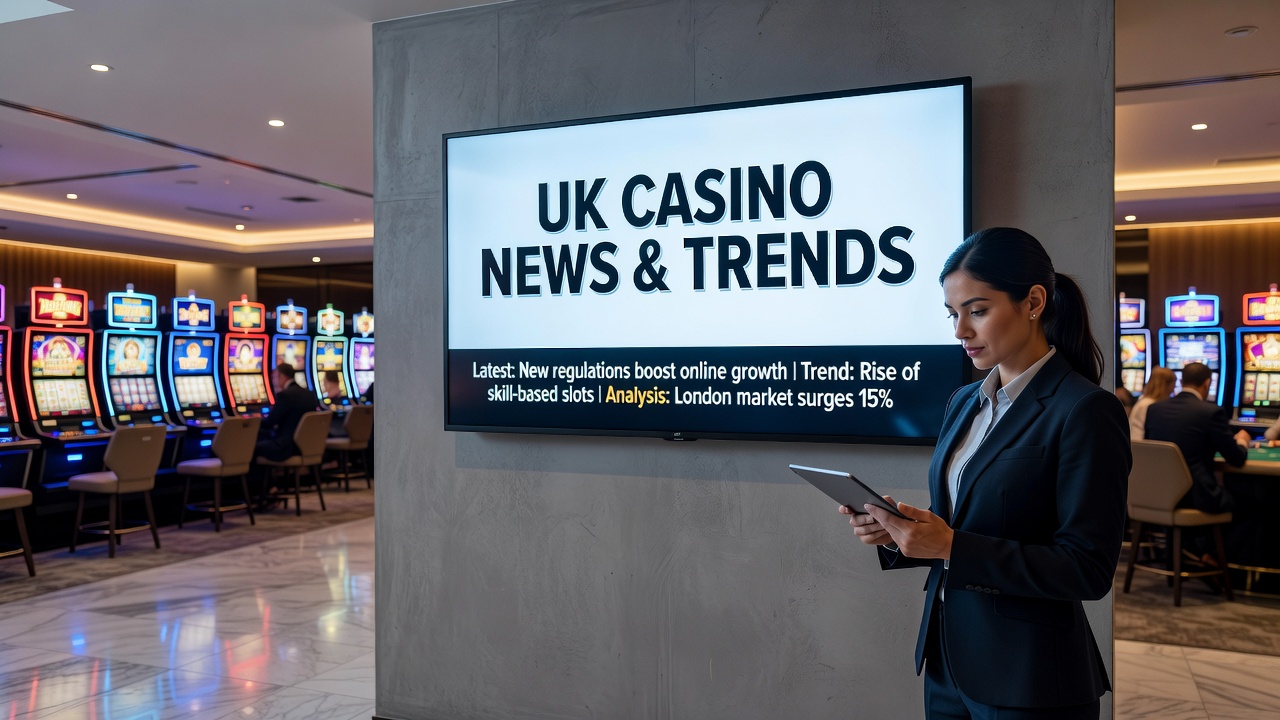
Chancellor John Healey’s November 2026 Budget introduced a duty increase on slot machine takings from 20% to 25%, while adult gaming centres along with vape shops in England lost access to business rates discounts previously available to leisure and hospitality operators. Hundreds of high street venues operated by companies such as Merkur and Admiral could still qualify for those discounts through bingo licences, which creates a mechanism the government may examine further. Prime Minister Andy Burnham has expressed support for the overall approach aimed at high street improvements.
Duty Changes Take Effect Across Gaming Operations
The duty adjustment applies directly to takings from slot machines, and operators must adjust their financial planning accordingly since the rate moves upward by five percentage points. Venues that rely heavily on these machines now face higher costs per pound of revenue generated, while the change aligns with broader fiscal measures rolled out in the same Budget package. Observers note that companies with large portfolios of adult gaming centres will calculate the impact across multiple sites, and the adjustment rolls out alongside other tax modifications that affect retail and service sectors.
Business Rates Discounts No Longer Apply to Certain Categories
Adult gaming centres and vape shops in England no longer qualify for the business rates relief that leisure and hospitality businesses previously received. This shift removes a financial buffer that had helped offset property costs for many operators, and the policy applies uniformly to premises classified under those specific categories. Data from government announcements indicate the measure targets properties that no longer fit within the leisure discount framework, and affected businesses must now pay full rates without the previous reduction.
Bingo Licence Route Preserves Eligibility for Some Operators
Venues that obtain or already hold bingo licences can continue claiming the business rates discounts despite operating primarily as adult gaming centres. Major operators including Merkur and Admiral maintain or pursue such licences, which allows them to meet the criteria for relief that would otherwise be unavailable. This pathway stems from existing licensing rules that treat bingo premises differently from standard slot-focused sites, and hundreds of locations across high streets stand to benefit from the distinction. The arrangement leaves open a route that government officials have flagged for potential review in coming months.
Those who have examined the licensing overlap point out that bingo permissions carry separate regulatory requirements yet permit machine operations under the same roof. Companies that already run mixed-use sites can therefore retain the rates advantage without altering their core offerings. The situation highlights how classification under one licence type interacts with tax relief rules that apply to another category, and further clarification may follow if the government decides to tighten definitions.
Prime Minister Signals Support for High Street Measures
Prime Minister Andy Burnham has publicly backed the Budget steps that focus on adult gaming centres, and he has framed the changes as part of efforts to enhance high street environments. His statements align with the broader fiscal strategy presented by the Chancellor, and they underscore the administration’s intent to apply consistent policy across similar venue types. The position reflects priorities around urban retail spaces where multiple business categories compete for footfall and property use.
Next Steps for Policy Refinement
Government sources indicate that the bingo licence mechanism will receive attention to determine whether additional rules are required. Officials may examine how licence categories intersect with rates relief eligibility, and any adjustments would aim to close unintended pathways while preserving the main objectives of the Budget measures. Businesses that currently use this route are monitoring developments, since future guidance could affect their ongoing qualification for discounts.
Conclusion
The November 2026 Budget therefore combines a direct duty increase with revised business rates treatment, and the resulting licence-based distinction continues to shape how operators respond. Companies such as Merkur and Admiral illustrate the practical outcomes of the current framework, while the government’s stated intention to review the situation suggests further policy detail may emerge. The measures remain in force as operators adjust to the updated cost structure across England’s high streets. According to The Guardian, these provisions form part of wider efforts to recalibrate support for different retail categories. Additional context appears in reports from the OECD tax policy division, which tracks similar duty structures across member countries.